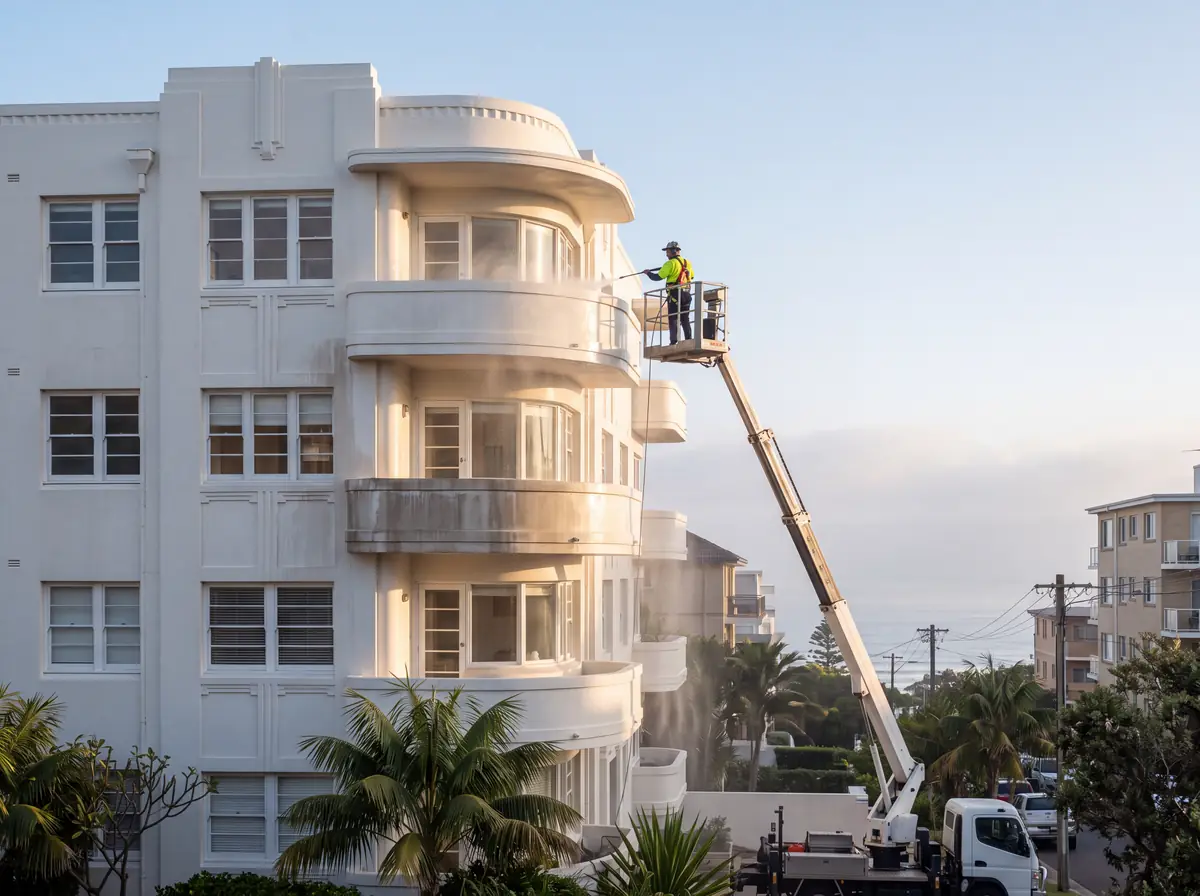
A strata exterior cleaning program on the Northern Beaches has to answer three things a one-off clean never does: how often each surface needs attention in salt, lagoon or bushland conditions, how the work is delivered without disrupting residents, and how the owners corporation proves the job was done safely and lawfully. Get those right and the building stays presentable for a fraction of the cost of the remedial work that follows years of neglect.
I run our strata and commercial programs across the peninsula, from the beachfront blocks of Manly and Queenscliff to the walk-ups of Dee Why, the Pittwater Road strip at Collaroy and the townhouse complexes of Warriewood and Mona Vale. This guide is written for committee members and strata managers putting a program together for the first time or reviewing one that is not working.
Why is Northern Beaches strata different?
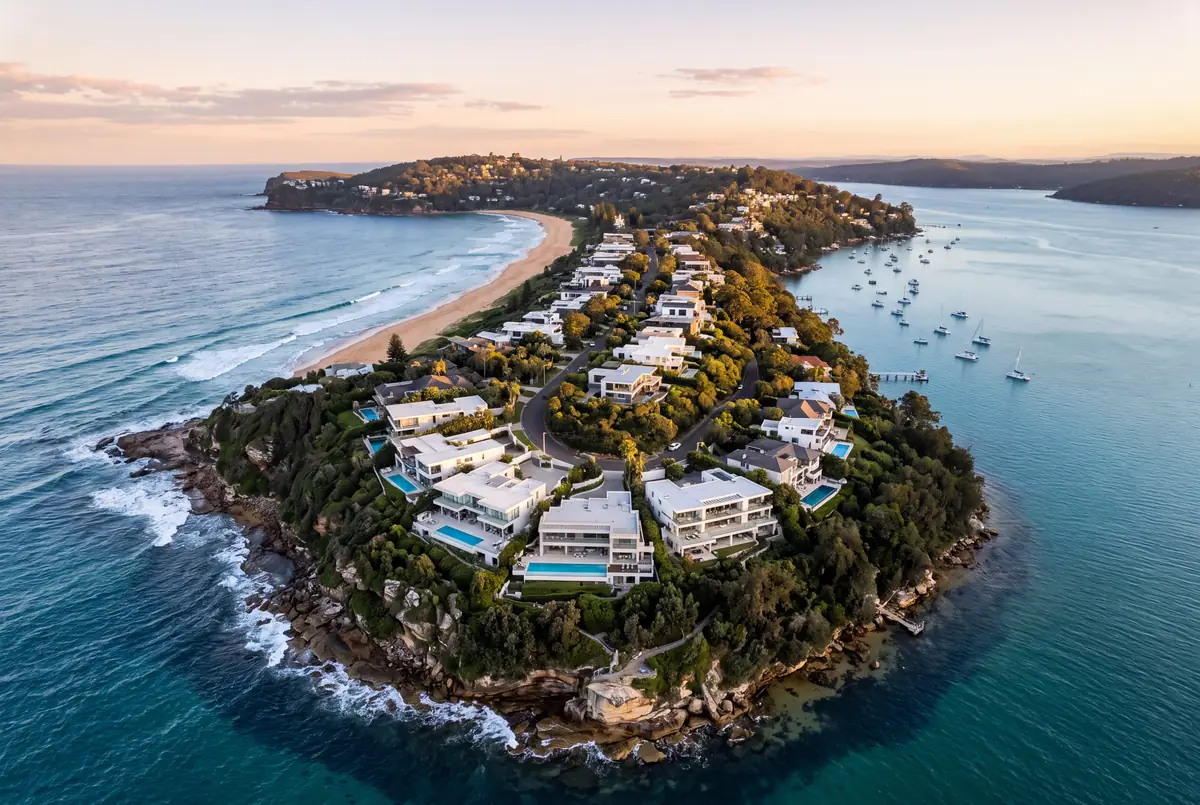
Most strata buildings on the beaches sit in one of three conditions. Beachfront and headland blocks take heavy salt, so glass and stainless need short cycles and balcony fixings rust. Blocks around the lagoons and in the Warriewood Valley sit in humid, still air, so render and paving grow algae and mould quickly. And nearly every building drains to a lagoon, Pittwater or a beach, so run-off control and car park water recovery are compliance issues, not extras.
| Suburb | Area | Conditions | What we see on strata buildings there |
|---|---|---|---|
| Manly | Manly and harbourside | Ocean-front and first-ridge | salt film on every pane of ocean-facing glass within a fortnight, rust streaks from balustrade fixings on the Esplanade blocks, and black cyanobacteria on the south walls of the Bower Street homes |
| Fairlight | Manly and harbourside | Harbourside Middle Harbour | black mould on the south-facing render of the Lauderdale Avenue blocks, lichen on the sandstone retaining walls, and salt haze on every harbour-facing window |
| Balgowlah | Manly and harbourside | Hillside and village | mould on the south face of painted brick and render, lichen-spotted concrete paths and driveways, and salt haze on the glass of the higher homes that look east to the ocean |
| Queenscliff | Freshwater to Dee Why | Ocean-front and first-ridge | the heaviest salt loading on the peninsula, with glass hazing in days, rust bleeding from balcony fixings and black growth on the south walls of the Crown Road blocks |
| Freshwater | Freshwater to Dee Why | Ocean-front and first-ridge | black streaks on rendered parapets, salt-pitted stainless on the headland homes, and a salt haze that returns to ocean glass within a fortnight |
| Curl Curl | Freshwater to Dee Why | Ocean-front and first-ridge | salt and black cyanobacteria on south-facing render, green film on fences and Colorbond near the lagoon, and dull, lichen-spotted driveways |
| Dee Why | Freshwater to Dee Why | Lagoon and estuary | black balcony soffits and streaked render on the walk-ups, salt and rust on The Strand towers, and oil-stained, algae-slick basement car park ramps |
| Collaroy | Collaroy to Warriewood | Ocean-front and first-ridge | sand-blasting and salt on the beachfront glass and render, rust streaks on every balustrade fixing, and green algae on the shaded south walls behind the dunes |
| Narrabeen | Collaroy to Warriewood | Lagoon and estuary | black mould and algae on anything in shade near the lagoon, salt and sand on the Ocean Street fronts, and slimy, slippery paving where the water table keeps the ground damp |
| North Narrabeen | Collaroy to Warriewood | Lagoon and estuary | salt and sand on the Ocean Street fronts, mould under the deep eaves of the lagoon-front homes, and green film on timber decks over the water |
| Warriewood | Collaroy to Warriewood | Lagoon and estuary | black mould on the shaded render of the valley estates, which were built close together with little airflow, and lichen on shared driveways and townhouse paving |
| Mona Vale | Pittwater peninsula | Ocean-front and first-ridge | salt and rust on the headland homes, black growth on the south elevations of the strata blocks, and oil and algae on commercial and medical-precinct car parks |
| Newport | Pittwater peninsula | Ocean-front and first-ridge | salt and rust on the ocean-side homes, deep-shade mould and tannin on the Pittwater-side decks and stone, and black growth on the south walls of the Barrenjoey Road blocks |
| Avalon Beach | Pittwater peninsula | Ocean-front and first-ridge | salt and black growth on the headland homes' render and glass, moss and lichen on sandstone and timber in the shaded Careel Bay pockets, and mould on the village strata |
| Frenchs Forest | Forest and plateau suburbs | Plateau and bushland edge | leaf-filled gutters on the bush edges, moss on shaded driveways and paths, mould on render, and oil and gum on the precinct's commercial paving and car parks |
| Forestville | Forest and plateau suburbs | Plateau and bushland edge | gutters and valleys full of leaf on the park edge, moss on steep shaded driveways, lichen on paving and weatherboard that greens in the humid gully air |
What should a strata exterior program cover?
| Element | Typical interval on the beaches | Why |
|---|---|---|
| Ocean-facing glass and balustrades | Every 6 to 8 weeks | Salt etches glass and stains stainless |
| Remaining common glass | Quarterly | Haze and grime |
| Render, painted concrete, balcony soffits | Every 12 months (ocean side 6 to 9) | Black growth, rust streaks |
| Car park and ramps | Every 6 to 12 months | Oil, rubber, algae, slip risk |
| Common paths, entries, pool areas | Every 6 to 12 months | Algae, gum, stains |
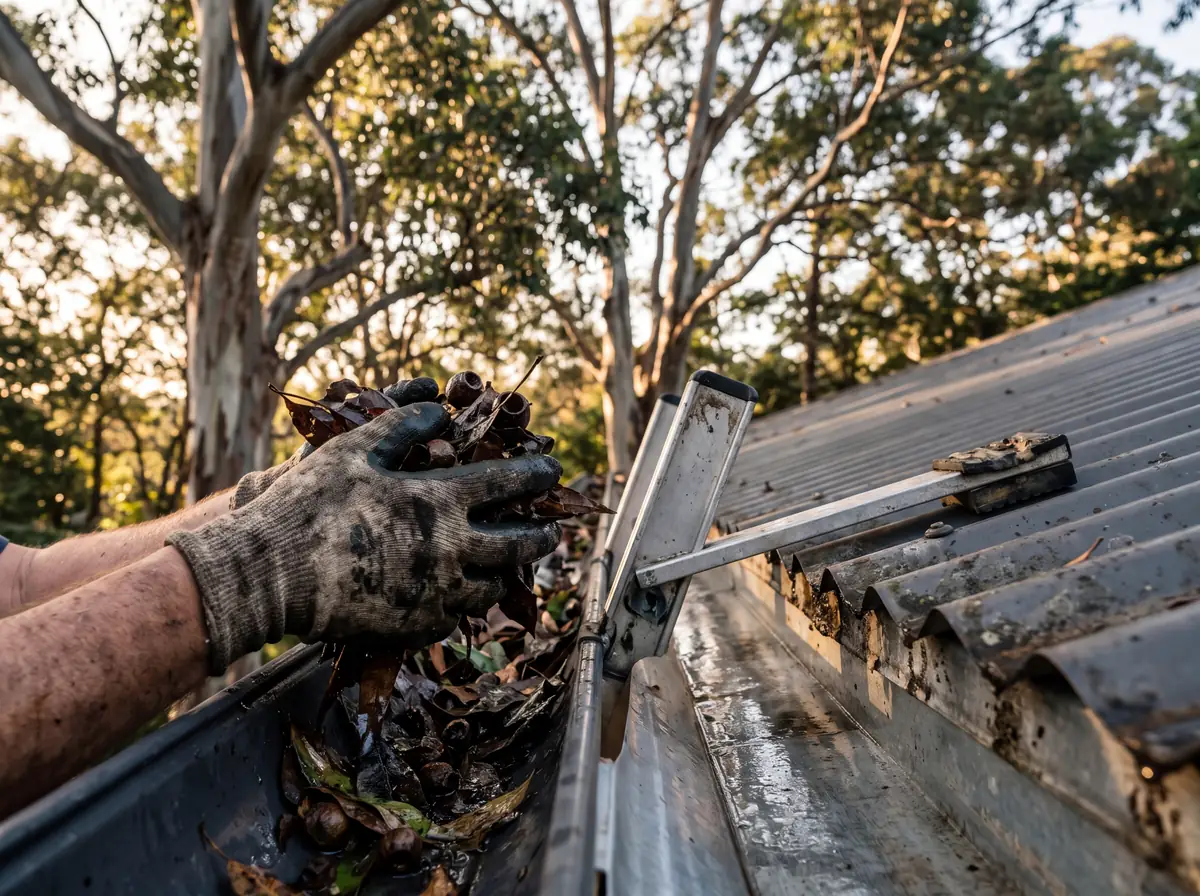
| Gutters and box gutters | Every 12 months, 6 near bush | Overflow into units |
Intervals depend on the building's exposure. A Crown Road block in Queenscliff facing the southerly needs the short end of every range; a sheltered townhouse complex in Warriewood Valley needs the longer end for glass but the shorter end for render.
Need this done properly? Request a quote or call 0494 810 609. We cover every suburb from Manly to Palm Beach and west to Duffys Forest.
Scoping the building
A good scope starts with a walk-around with the building manager or a committee member. We note every elevation, the access to each (ground, balcony, podium, EWP or rope), the condition of anchors if rope access is needed, water and power points, drain locations, car park layout and any heritage or foreshore constraints. Photos of existing damage are taken before any work, which protects both the owners corporation and us.
From that walk we produce a written scope by element and elevation, a schedule, a SWMS for each task, and a fixed price per visit. The committee can see exactly what each part costs and choose intervals that suit the budget.
Working around residents
- Notices. Residents receive a notice through the strata manager at least a week before work, naming the dates, the elevations and what they need to do, usually closing windows and clearing balconies.
- Elevation by elevation. We work one face of the building at a time so most residents are affected for a few hours, not days.
- Car parks after hours. Basement car parks and ramps are done overnight or early on a weekend with vehicles moved in stages.
- Balconies. Soffits are washed from below with poles; tiles are rinsed to each balcony's own drain, never over the edge onto the unit below.
Safety, insurance and paperwork
Committees carry responsibility for contractors on common property. Before work starts we provide our certificate of currency for $20 million public liability, SWMS for each high-risk task, evidence of working-at-heights, EWP and rope access competencies, and confirmation that roof anchors have a current certificate where rope access is planned. Every visit ends with a dated report of before-and-after photos by elevation, suitable for the minutes and for the capital works fund records. Where we find defects, such as cracked render, failed sealant around windows, corroded fixings or blocked weep holes, they are photographed and listed separately so the committee can refer them to a builder or the building manager.
Run-off and car park water
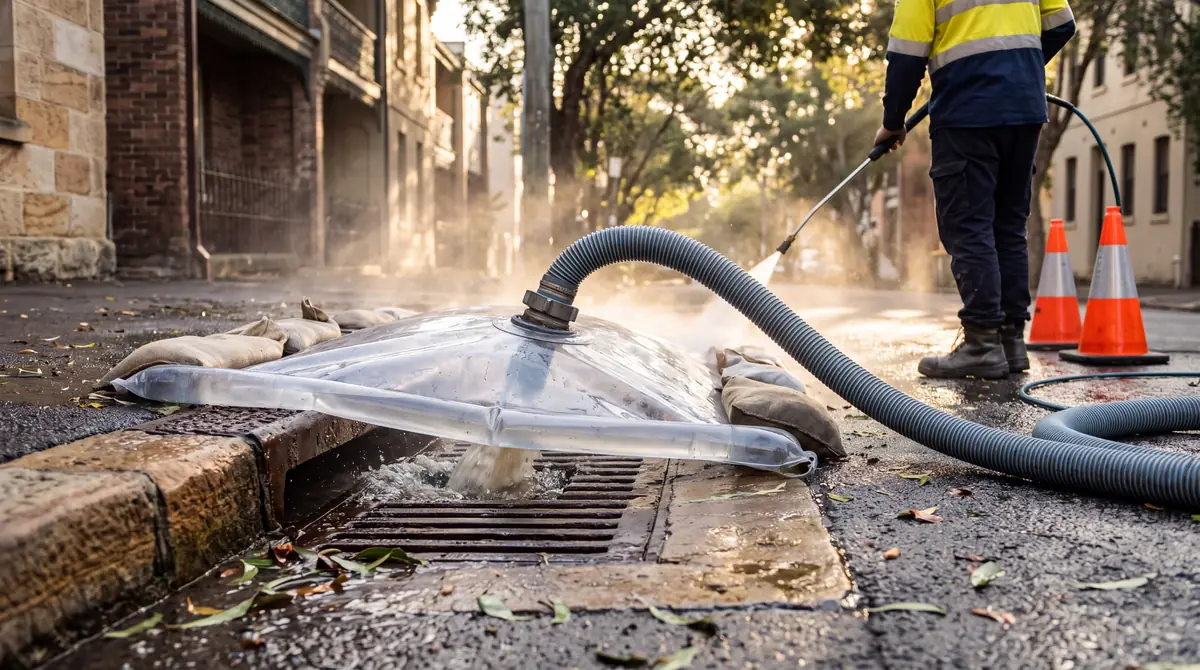
Car park wash water carries oil, rubber and brake dust and is treated as trade waste. It is vacuum-recovered and disposed of lawfully, never hosed down the ramp drain, which on the Northern Beaches usually leads straight to a lagoon or beach. External washing uses drain covers, capture and the lowest effective chemical strength. The report records how run-off was managed, which is useful if a resident or the council asks.
Townhouse complexes and small schemes
Not every scheme is a tower. The Warriewood Valley and Mona Vale townhouse complexes, and the small two-to-six unit blocks scattered through Freshwater, Curl Curl and Balgowlah, have different needs: mostly rendered walls close together, shared driveways and paths, small common gardens and gutters on every roof. For these schemes we usually recommend an annual program covering the soft wash, shared driveway, paths and gutters in one visit, with the glass left to individual owners or added as an option. Close-set townhouses grow mould on the facing walls quickly because sun and wind barely reach them, so those elevations get attention every year even if the street-facing walls look fine.
Heritage and foreshore buildings
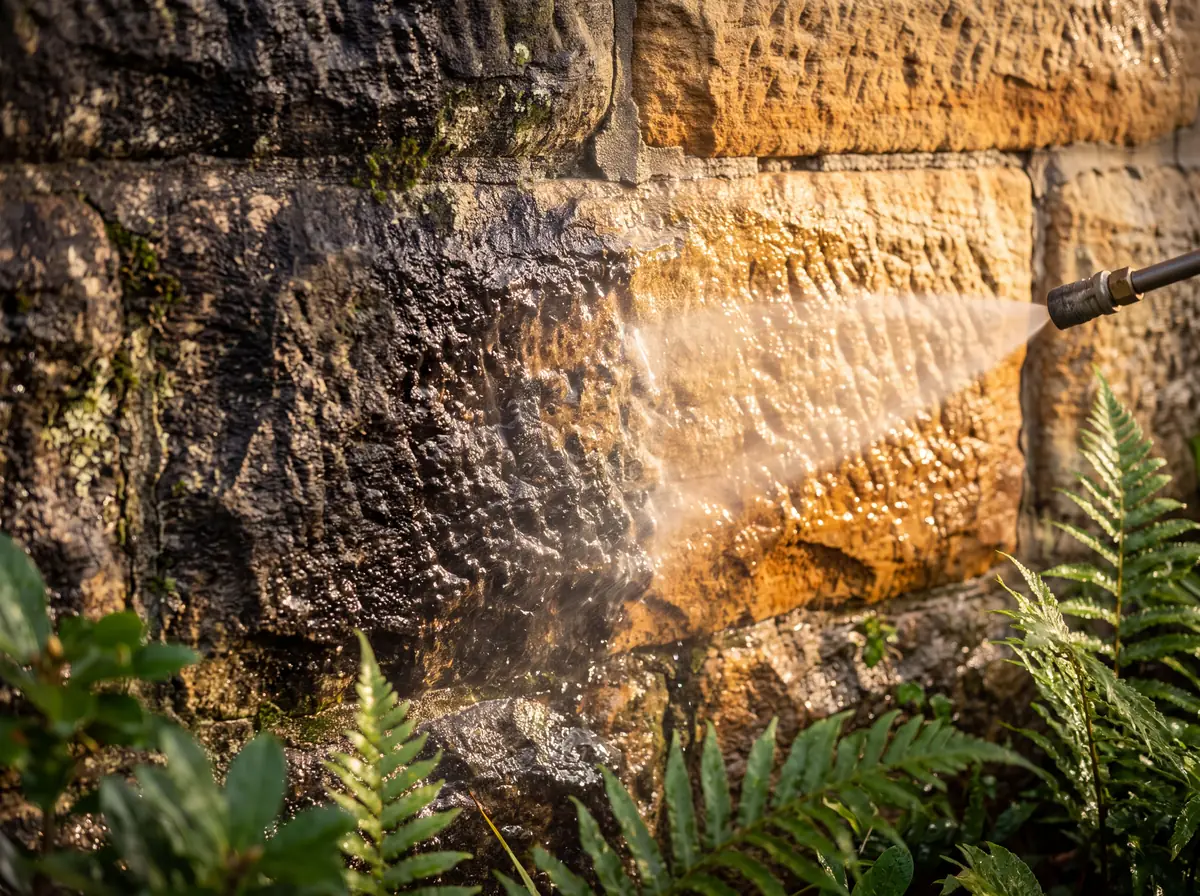
A handful of strata buildings on the beaches sit in heritage conservation areas, mainly in Manly, or within foreshore and coastal hazard zones along the beachfronts at Queenscliff and Collaroy. These buildings are cleaned with low-pressure, non-abrasive methods, and we document the method and products so the committee can show what was done if the council asks. Work near beach access points and seawalls is coordinated with any construction or erosion works under way.
Budgeting the program
Exterior cleaning is usually funded from the administrative fund as maintenance, while remedial work such as replacing corroded balustrade fixings or repainting comes from the capital works fund. A regular cleaning program reduces how often the expensive capital items come round: render that is soft washed on schedule holds its paint longer, glass that is never left to etch does not need replacing, and stainless that is passivated lasts. We price each element separately so committees can phase a program over two or three years if needed.
Common problems we are asked to fix
- Black balcony soffits on 1970s painted concrete blocks with no drip grooves.
- Rust streaks below balustrade fixings on beachfront buildings.
- Slippery, algae-covered car park ramps and entry paths.
- Etched glass on ocean-facing elevations after years without regular cleaning.
- Overflowing box gutters pushing water into top-floor units.
Questions committees should ask a contractor
- Will you provide SWMS, insurance certificates and competencies before work starts?
- How will you recover car park water and control run-off from the facade?
- Who will be on site, and will the same lead attend each visit?
- How will residents be notified, and how long will each elevation be affected?
- What does the report include, and when do we receive it?
What to do next
Before the next committee meeting, ask your strata manager for the date each element was last cleaned, the most recent resident complaints and any quotes already on file, so the program can be compared like for like. Then book a scoping walk for a strata exterior program, or start with car park cleaning or strata window cleaning. The Northern Beaches page shows conditions in every suburb we cover.
Related: Strata Exterior Cleaning Northern Beaches, Car Park Cleaning Northern Beaches, Strata Window Cleaning Northern Beaches, Northern Beaches service area.